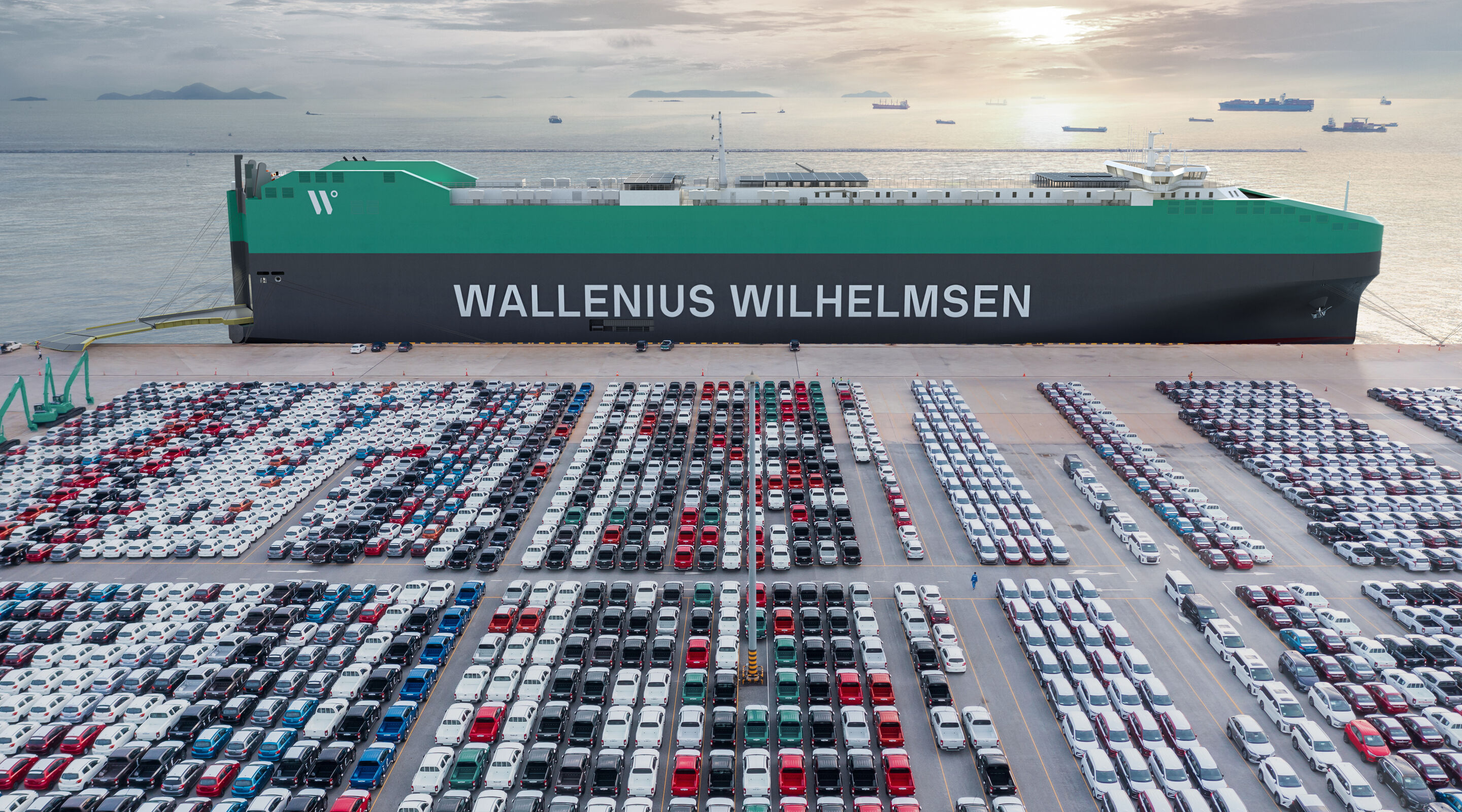
Wallenius Wilhelmsen signs two-year fuel agreement with Equinor for supply of bio-methanol
Wallenius Wilhelmsen has signed a two-year agreement with Equinor for the supply of mass-balanced bio-methanol, which will be produced in Norway.
This agreement represents an important step toward delivering a net-zero, end-to-end pilot service for selected customers starting in 2027.
The two-year contract secures substantial volumes of bio-methanol to power the company’s methanol-fueled vessels. The fuel will be produced in Norway and supplied to vessels in Antwerp and Zeebrugge.
The mass-balanced bio-methanol is certified under ISCC EU standards and is expected to reduce CO₂ emissions by up to 95%.
Signing this deal with Equinor marks an important milestone for us at Wallenius Wilhelmsen. Securing low-carbon bio-methanol supports the decarbonization of our ocean operations, while strengthening our ability to deliver lower emission end-to-end logistics for customers. Partnerships like this are essential to scaling alternative fuels and moving from ambition to execution.
- Xavier Leroi, Chief Operating Officer Shipping Services at Wallenius Wilhelmsen
“We continue to see increasing interest in bio-methanol as a practical, scalable solution for decarbonisation of shipping. This partnership with Wallenius Wilhelmsen marks a substantial step forward in bringing Equinor’s bio-based methanol to the growing marine segment for low carbon fuels. Equinor has previously signed supply agreements for bio-methanol with Maersk and NCL, and we are progressing several leads for both bio and conventional methanol supply agreements,” says Alex Grant, SVP Crude, Products and Liquids at Equinor.
Scaling alternative fuels to enable net-zero end-to-end services