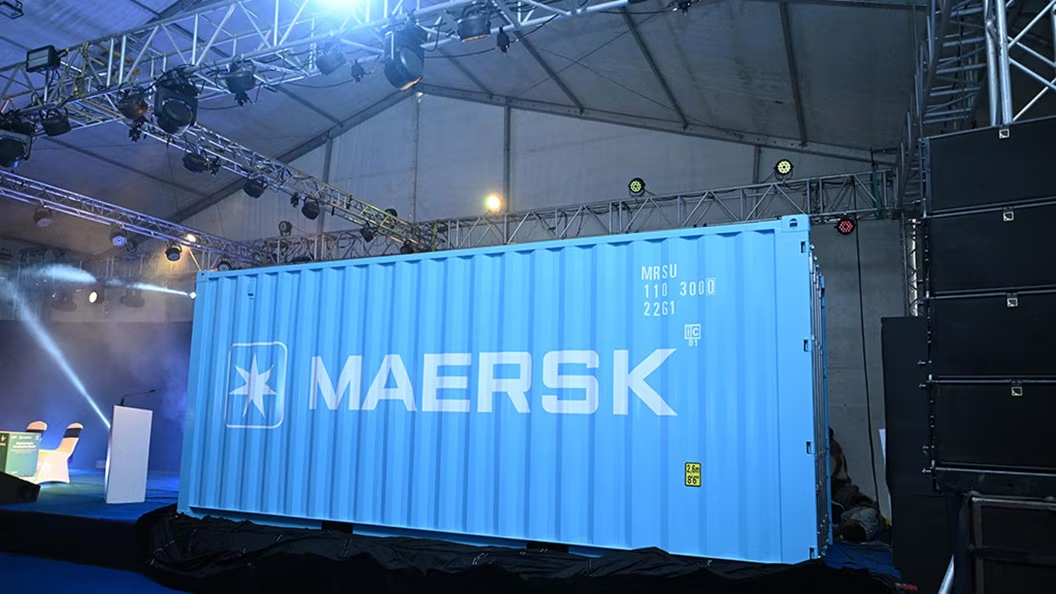
Union Minister Sonowal unveils Maersk’s first Indian manufactured shipping container
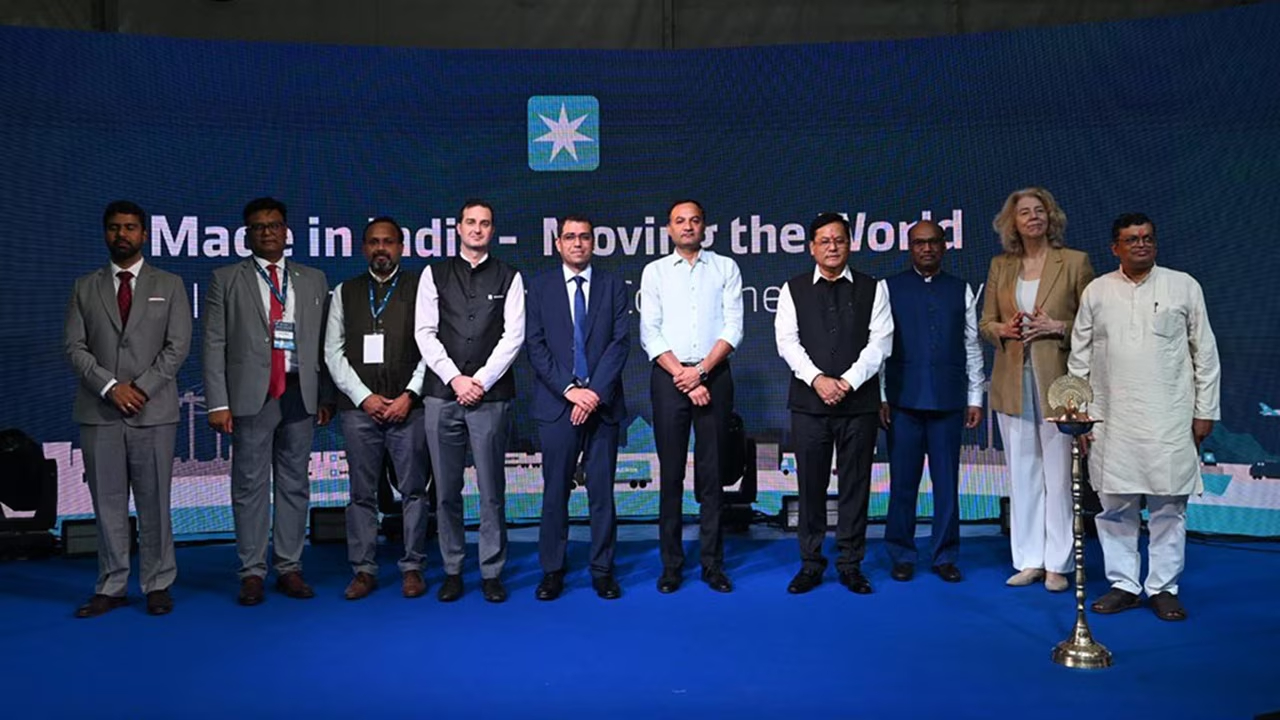
A.P. Moller – Maersk, the world's leading integrated shipping and logistics company, has become the first international shipping line to purchase an export-import (EXIM) shipping container manufactured in India, marking a significant milestone for the country's maritime industry. The first container was officially unveiled at the Maersk–Container Corporation of India (CONCOR) joint venture Inland Container Depot in Dadri, Uttar Pradesh, in the presence of India's Union Minister for Ports, Shipping and Waterways, Shri Sarbananda Sonowal.
The achievement follows a 16-month initiative that began in February 2025, when Maersk Chairman of the Supervisory Board, Robert Maersk Uggla, met with Indian Prime Minister Narendra Modi in New Delhi. During the meeting, the Prime Minister encouraged Maersk to play an active role in advancing India's capability to manufacture world-class shipping containers.
I am really proud of what we have achieved, from a shared vision through execution to the unveiling of the container today. We have shared our global standards, deployed the best technical minds, and collaborated with Indian manufacturers and the Ministry to make this happen. It is proof that India's manufacturing ecosystem is getting ready for global demand. With the right investments in production facilities and a supporting ecosystem, we are confident the industry will get there.
- Ahmed Hassan, Senior Vice President, A.P. Moller
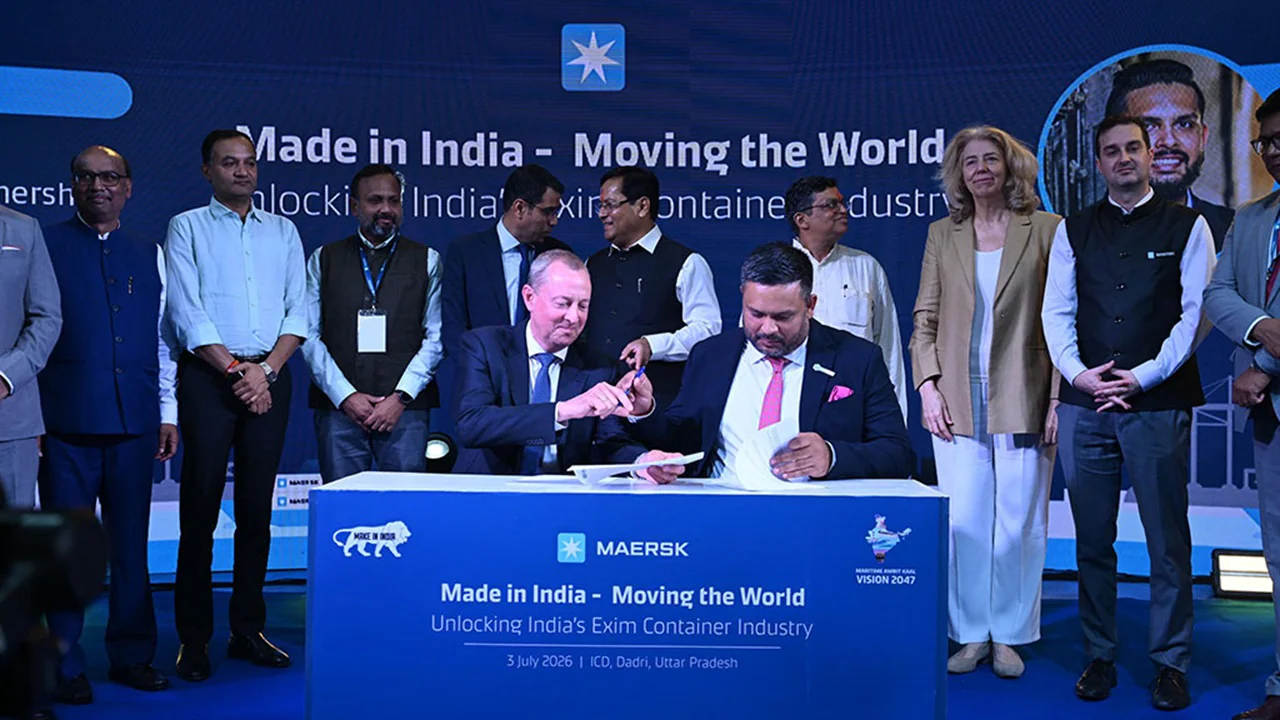
India has long been a nation of traders and seafarers. Today, we take a proud step forward as a manufacturer of containers, with international shipping lines procuring them from our country. The first made-in-India Maersk container is a testament to what is possible when global companies believe in India's potential. This is Atmanirbhar Bharat in action, and I am delighted that Maersk has chosen to lead from the front.
- Shri Sarbananda Sonowal, Union Minister for Ports, Shipping and Waterways
Raising the bar on quality
Maersk maintains some of the most rigorous quality assurance standards in the global shipping industry, requiring every container in its fleet to meet ISO structural and dimensional specifications, the International Convention for Safe Containers (CSC), and the company's own enhanced quality requirements. The first India-manufactured container successfully passed comprehensive ISO 1496 prototype tests—including stacking, lifting, racking, floor strength, and weatherproofing assessments—conducted under the supervision of a classification society and witnessed by Maersk representatives, earning full CSC certification.
During the development process, Maersk worked closely with its Indian manufacturing partner, freely sharing its global technical expertise to ensure the containers met international standards. Backed by the DCM Shriram Group's strong execution and commitment, the collaboration resulted in a container that fully complies with Maersk's global quality benchmarks.
Policy Enabling Industry
The commercial viability of Indian-manufactured containers has been significantly enhanced by the Union Government's decisive policy action. The proposed INR 10,000 crore in Production Linked Incentive support in the Union Budget 2026, developed in close consultation between the Government, manufacturers, and shipping lines, has created the conditions for Indian containers to compete on a global scale. The PLI framework reflects the kind of government-industry partnership that turns strategic intent into commercial reality and is a significant step forward under India's Maritime Vision 2030 and the Atmanirbhar Bharat programme.
Maersk has been an active participant in shaping this policy environment and remains committed to working with the Ministry as the framework evolves.
Looking Ahead
As India's container manufacturing ecosystem matures and production capacity grows, Maersk intends to deepen its engagement within container manufacturing across the country. The company views today's milestone not as an endpoint but as the foundation for a long-term supply relationship that will grow in scale as Indian manufacturers consistently demonstrate they can meet global quality standards at competitive costs.