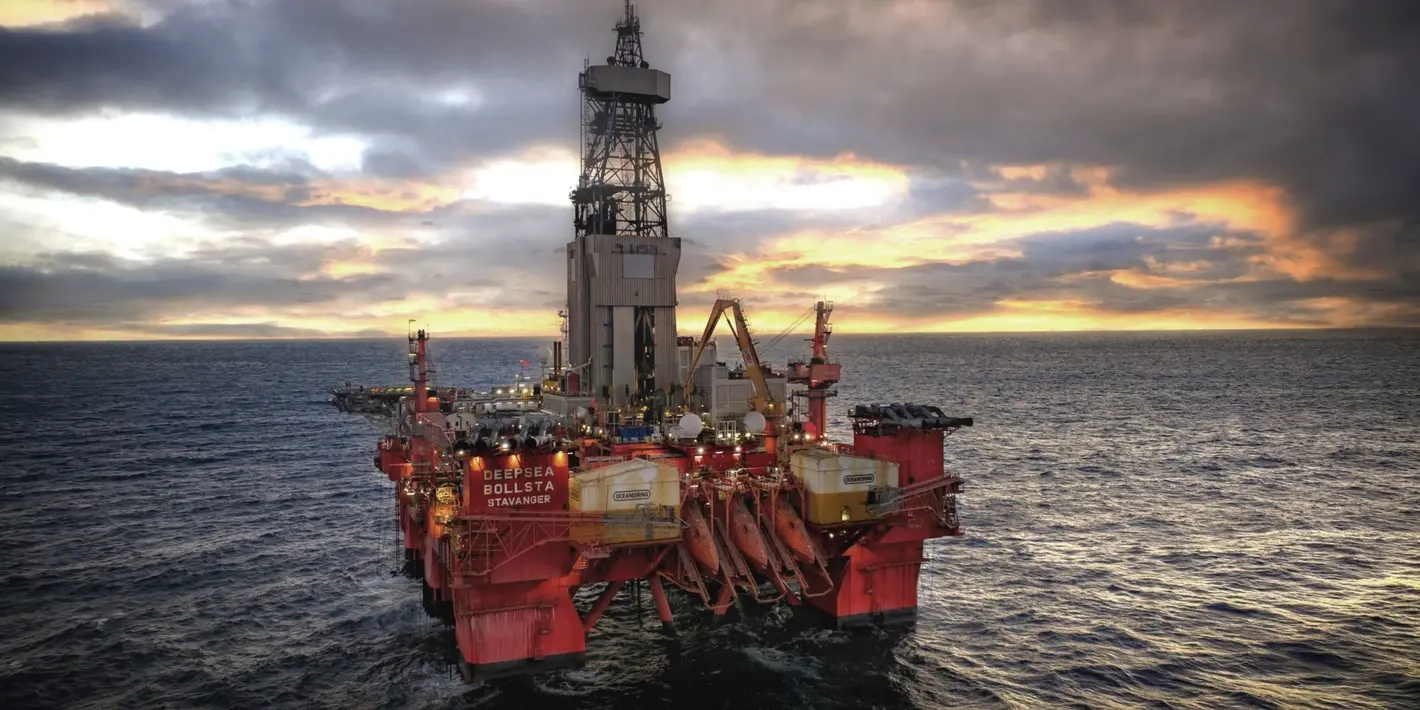
Investigation following well control incident on Deepsea Bollsta
Equinor has concluded its investigation into a well control incident that occurred on the Deepsea Bollsta drilling rig on 23 September 2025. The event has been categorized under the company’s highest level of severity.
The incident occurred while plugging a well at the Troll Field, during the cutting of a 13-3/8" casing at a depth of approximately 510 meters. A leak of gas and fluid reached the drill floor and the shaker room, where rocks and cuttings are separated from the drilling fluid before it is circulated back into the well.
One individual experienced difficulty evacuating the room due to differential pressure conditions. The person sustained minor injuries and received first aid on board after forcing their way out. The gas and fluid release also caused damage to the room’s ceiling ventilation system.

Automatic gas detection systems activated the rig’s safety protocols, leading to the disconnection of potential ignition sources. The crew aboard the Deepsea Bollsta promptly activated the blowout preventer (BOP) and diverter system in accordance with established procedures. The diverter system directed gas, fluid, and pressure from the well away from the rig before the BOP was fully closed.
The BOP sealed the well after 71 seconds, stopping the gas flow, and the situation was brought under control within 30 minutes. Following the incident, Equinor implemented several corrective measures. A new requirement was immediately introduced mandating the closure of the BOP during shallow cuts and casing retrieval operations, regardless of the expected activation time.
The investigation estimated that approximately 930 kilograms of gas were released over a short period. Due to the volume involved, the event was classified as a Red 1 incident—the most serious category within Equinor’s management system. Combustible gas was briefly present on the drill floor and in the shaker room; however, ignition sources had already been disconnected. Investigators concluded that different circumstances would have been required for the gas to ignite.
The root cause of the incident was identified as the BOP being in the open position while the casing was being cut, combined with the presence of confined gas behind the casing. Although the annulus behind the casing was logged prior to the cutting operation, the monitoring equipment had not been properly calibrated, preventing the gas from being detected in advance. The investigation also confirmed that the incident did not pose a risk of an uncontrolled blowout. The gas originated from a limited volume trapped behind the casing and was not connected to the reservoir, with all reservoir barriers remaining intact.